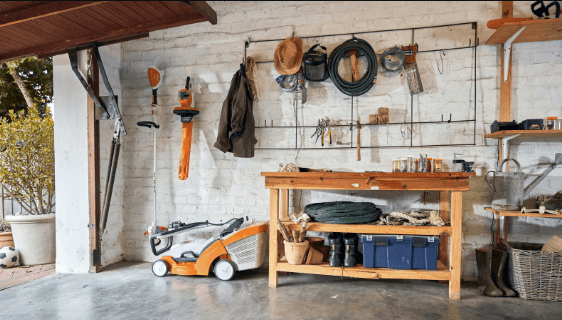
A careful assessment maps the garage space, noting footprints, doorways, lighting, and electrical access. It translates measurements into a practical layout that supports safe, clutter-free movement. Zones are defined by workflows, with primary, secondary, and tool-storage areas aligned to prep and access needs. Storage solutions are chosen by tool type and weight, using racks, drawers, and bins for quick retrieval. The plan accommodates budget, accessibility, and future upgrades, inviting further refinement.
How to Assess Your Garage Space for Tool Storage
Assessing a garage space for tool storage begins with mapping available footprint and workflow. The process records dimensions, doorways, electrical access, and natural light, then translates them into a functional plan. Consider tool ownership, frequency of use, and potential future needs. Focus on tool organization and garage layout to enable safe, efficient, and liberating access throughout daily tasks.
Set Up Zones That Match Your Workflows
To design practical zones that align with workflows, begin by mapping tasks to distinct areas: a primary work zone for core operations, a secondary zone for prep and clean-up, and a dedicated storage zone for frequently used tools. This layout supports a clear zone workflow, minimizes movement, and improves tool access, enabling efficient, autonomous work without clutter or hesitation.
Choose Storage Solutions by Tool Type and Weight
Storage should be selected by the type and weight of tools to be stored, ensuring containment that matches handling requirements and frequency of use.
Solutions emphasize functional organization by tool type and weight categories, promoting safe access and balanced load.
Racks, drawers, and bins align with usage patterns, enabling quick retrieval, reduced fatigue, and aesthetically coherent, freedom-oriented workshop efficiency.
tool weight, tool type.
Plan for Budget, Accessibility, and Future Upgrades
Budget planning, accessibility considerations, and anticipated upgrades are integrated into a cohesive storage plan to sustain performance over time. The approach emphasizes modularity, clear sightlines, and labeled zones, enabling intuitive use without clutter. The system accommodates budget limits while permitting scalable enhancements. budget planning and future upgrades are considered during design, ensuring durable access, safe tool handling, and long-term adaptability for growing needs.
Frequently Asked Questions
How Can I Prevent Tool Corrosion in Humid Garages?
Answer: In humid garages, one should minimize tool exposure to moisture and humidity via proper storage, desiccants, and corrosion-resistant materials, plus routine inspection; this reflects home maintenance discipline, reduces material corrosion, and supports a functional, aesthetically calm workspace.
What Is the Best Lighting Setup for Tool Work?
The best lighting reduces shadow play, like a lighthouse guiding hands; studies show bright, color-accurate fixtures improve precision. For tool ergonomics, position layers of lighting to minimize glare, fostering freedom to work systematically and aesthetically.
How Do I Label and Track Tool Locations Effectively?
A labeling system paired with concise location codes enables quick retrieval, while inventory tracking records movements and status. The approach remains functional and systematic, yet aesthetically balanced, offering the freedom to customize zones and labels according to personal workflow.
see also: AI in Collaboration Platforms
What Security Measures Protect High-Value Tools?
Security alarms and inventory management protect high-value tools. Like a lighthouse beacon guiding ships, a monitored system reduces risk; data-driven tagging tracks items, while alarms trigger rapid responses, preserving freedom with measured, methodical safeguards for trusted gear.
How Can I DIY Custom Pegboard Spacing Efficiently?
The answer describes a method for efficient pegboard spacing and custom hooks, detailing measured grids, standardized dowel positions, and modular hooks. It presents a functional, systematic, aesthetic approach for an audience seeking freedom and practicality.
Conclusion
A well-organized garage emerges from careful planning, precise zoning, and purposeful storage choices. Assessing space informs placement; zoning aligns with workflows; storage solutions match tool type and weight. Planning for budget, accessibility, and future upgrades ensures resilience, adaptability, and longevity. Design emphasizes clarity, safety, and efficiency, delivering quick access, minimal steps, and reduced clutter. The result is a functional framework that remains aesthetically coherent, scalable, and dependable. It supports consistent practice, disciplined habits, and sustainable organization.