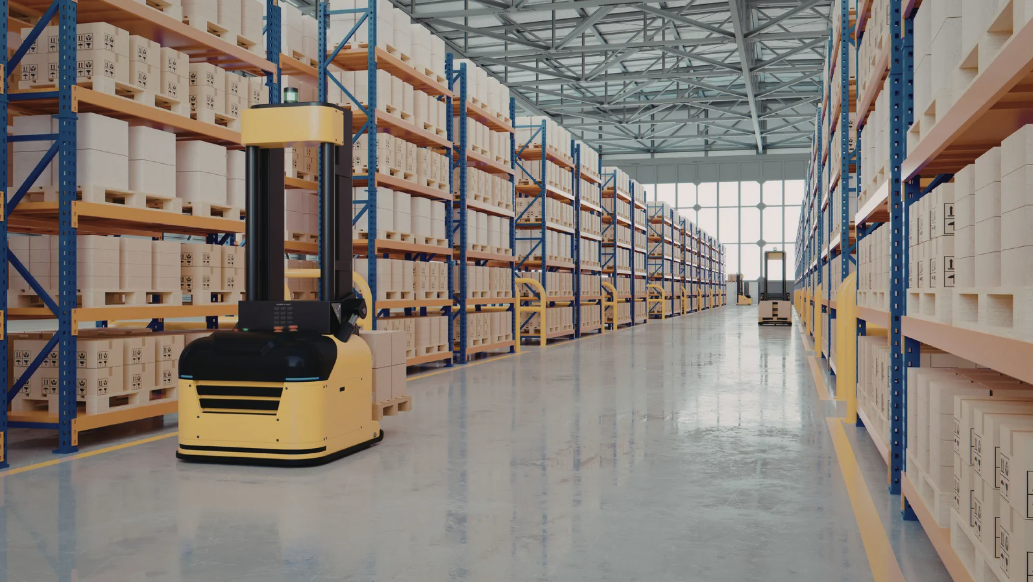
Managing inventory effectively is a cornerstone of long-term business success. As companies grow, executives often face a pivotal decision regarding their core logistics strategy. They must determine whether maintaining their own physical facilities makes financial sense or if partnering with external experts provides a better path forward. Utilizing professional storage & warehousing services provides remarkable flexibility for scaling operations without massive capital investments. Understanding the distinct advantages of both approaches helps leadership teams make informed decisions that actively protect profit margins. This analysis explores the key factors that dictate the ideal logistical setup for various operational needs.
The Case for Keeping Operations Internal
Operating a private facility provides specific benefits for certain types of organizations. For businesses with unique product requirements, maintaining direct oversight remains highly advantageous.
Maintaining Total Control Over Inventory
Some companies deal with highly sensitive, hazardous, or specialized products that require incredibly strict handling protocols. Keeping operations internal grants businesses complete, unyielding oversight of their daily workflows. Managers can implement custom security measures, adapt quality control processes instantly, and train staff on highly specific product requirements. This direct supervision minimizes the risk of mishandling rare items and ensures brand standards remain perfectly intact from the assembly line directly to the shipping dock.
Stable Demand and Predictable Volumes
Organizations with very consistent, predictable sales figures year-round often benefit from owning and operating their facilities. When product volume rarely fluctuates, the fixed costs of commercial real estate, utilities, and full-time labor remain manageable and highly predictable. These stable companies can accurately forecast their annual budgets without worrying about wasted, empty shelf space during seasonal downturns.
Recognizing the Signs to Outsource
While internal control sounds appealing, many modern businesses simply cannot sustain the rigid infrastructure it demands. Transitioning to professional logistics partners solves numerous growth-related challenges.
Rapid Growth and Market Expansion
When a business experiences sudden, explosive growth, internal logistics facilities quickly become overwhelmed. Corridors fill with overflow pallets, and shipping delays inevitably frustrate loyal customers. External logistics partners offer immediate access to vast square footage and teams of trained personnel. This vital scalability allows businesses to enter new geographic markets swiftly without the agonizing delays of purchasing commercial real estate or recruiting massive new teams. Understanding the critical importance of warehousing in supply chain management highlights exactly why capacity constraints should never bottleneck retail sales.
Reducing Overhead and Capital Expenses
Operating a private facility requires enormous capital investment upfront. Businesses must pay for the physical building, specialized forklifts, comprehensive insurance, and continuous structural maintenance. Outsourcing shifts these rigid fixed capital expenses into highly flexible variable operational costs. Companies only pay for the exact pallet space and hourly labor they consume each specific month. This brilliant financial shift frees up significant liquid capital that corporate leadership can immediately redirect into core business growth areas like innovative product development and aggressive marketing campaigns.
See also: Professional Website Optimization 3166515166 for Businesses
Leveraging Advanced Technological Infrastructure
Proper inventory management requires excellent digital tools, which often present a massive financial hurdle for independent operations.
Accessing Premier Management Systems
Modern distribution relies heavily on sophisticated software to track real-time inventory levels, optimize complex picking routes, and manage intricate shipping data. Purchasing, integrating, and maintaining these advanced digital systems is incredibly expensive for a single mid-sized company. Professional logistics providers spread these immense software development costs across dozens of clients. Partnering with these seasoned experts grants businesses instant access to enterprise-level technology, vastly enhancing order accuracy and delivery speeds without the hefty, ongoing software licensing fees.
Conclusion
Making the right logistical choice profoundly impacts a company’s bottom line and overall efficiency. Smaller, highly specialized operations with predictable volumes often succeed by maintaining their own facilities. However, dynamic companies experiencing rapid growth or fluctuating demand typically find greater success by partnering with external logistics professionals. Shifting fixed overhead into flexible, variable expenses allows organizations to remain agile in a competitive landscape. Ultimately, aligning facility management strategies with current growth trajectories ensures long-term operational stability and sustained profitability.