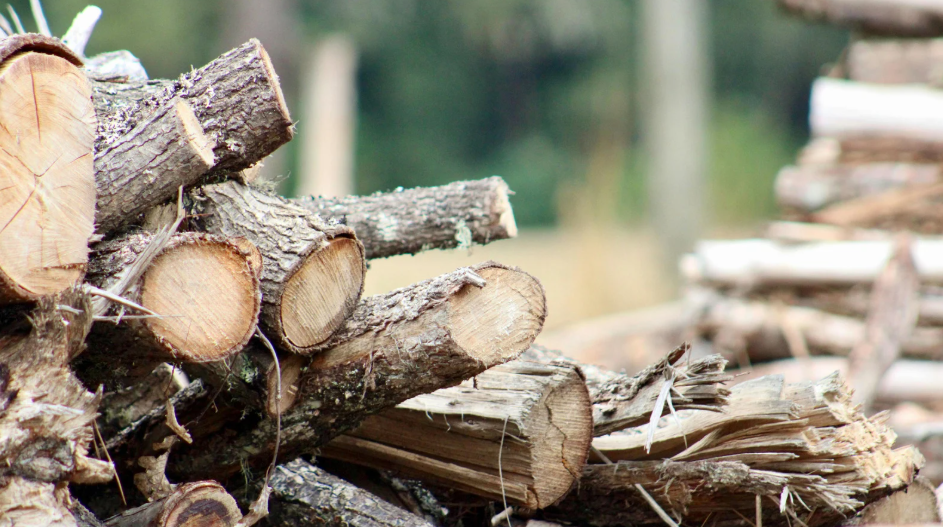
As cooler weather approaches, the appeal of a warm, crackling fire becomes undeniable. Whether you are stocking up for a fireplace, a wood-burning stove, or an outdoor fire pit, the quality of your wood directly impacts the experience. Not all firewood is the same, and the source you choose matters significantly. Selecting a reputable and dependable firewood supplier ensures you receive high-quality, seasoned wood that burns efficiently and safely. A trustworthy provider offers consistent products and reliable service, making the process of stocking up for the season simple and straightforward.
The Quality and Type of Wood
The single most important factor in choosing a supplier is the quality of the wood they provide. This includes the type of wood and how well it has been prepared for burning.
Hardwood vs. Softwood
Different types of wood have very different burning characteristics. Hardwoods like oak and hickory are dense, heavy, and burn longer and hotter with less smoke. Softwoods like pine and fir are less dense, ignite more easily, but burn much faster and produce more smoke and creosote buildup. A knowledgeable supplier will primarily offer well-seasoned hardwoods, which are ideal for home heating. They will be able to explain the specific types of wood they have available and their unique properties.
Seasoning Process
Freshly cut wood, or “green” wood, contains a high percentage of water. Attempting to burn green wood is inefficient, produces a great deal of smoke, and can lead to a dangerous buildup of creosote in your chimney. Proper seasoning is the process of drying the wood over time to reduce its moisture content to below 20%. Ask potential suppliers about their seasoning process. A quality operation will have a clear system for drying their wood for at least six to twelve months before selling it.
Measurement and Delivery Practices
Once you have established the quality of the wood, understanding how it is measured and delivered is the next critical step. This ensures you are getting a fair value for your purchase.
Understanding Firewood Measurements
Firewood is typically sold by the “cord,” but the definition can sometimes vary. A full cord is a legally defined volume of 128 cubic feet, usually stacked as a pile measuring 4 feet high, 4 feet wide, and 8 feet long. Some sellers may offer a “face cord” or “rick,” which is a much smaller amount. A reputable supplier will be transparent about their measurements, selling by the full or half cord, so you know exactly how much wood you are paying for.
See also: Trusted Online Marketing 910882271 for Businesses
Reliable Delivery and Stacking Services
Transporting a large quantity of firewood is a significant physical task. A professional supplier should offer reliable, scheduled delivery services. Inquire about their delivery process. Do they simply dump the wood in your driveway, or do they offer stacking services for an additional fee? A company that provides neat stacking saves you a tremendous amount of time and labor, ensuring your woodpile is organized and ready for the season.
Conclusion
Choosing where to purchase your firewood is a decision that impacts the warmth, safety, and enjoyment of your fires all season long. By focusing on key factors like the type and seasoning of the wood, transparent measurement standards, and reliable delivery options, you can easily identify a high-quality supplier. Taking the time to ask these important questions ensures you receive a premium product that burns cleanly and efficiently, providing the dependable heat and classic ambiance that only a real wood fire can offer.