Creating a home that is both beautiful to look at and a pleasure to live in is the hallmark of great architecture. This delicate balance between form and function is where a skilled professional truly shines. A home must be more than a visually appealing structure; it needs to support the daily rhythms of life with effortless grace. For those looking to build a custom home, engaging experienced residential architects in Atlanta is the key to achieving this synergy. These experts possess the unique ability to merge artistic vision with practical, human-centered design, ensuring that every space is both functional and aesthetically pleasing.
The Foundation of Function: Understanding Lifestyle
Before discussing style or materials, a masterful architect begins with a deep exploration of the client’s life. The goal is to design a home from the inside out, with a layout that responds directly to the inhabitants’ needs and routines. This foundational process ensures the home works for the people living in it.
A Human-Centered Approach
Architects are trained observers of human behavior. They ask probing questions to understand how a family moves through their day. Where do the kids drop their backpacks after school? Do you entertain large groups or prefer small, intimate gatherings? Is a quiet home office for focused work a priority? The answers to these questions directly inform the floor plan, creating a home that intuitively supports daily activities.
The Importance of Flow and Adjacencies
Great functional design is about more than just having the right rooms; it is about how those rooms connect. An architect carefully considers the “flow” of a home, creating logical pathways that feel natural and efficient. They strategically place rooms adjacent to one another to support specific activities—for example, locating the laundry room near the bedrooms or creating a seamless transition from the kitchen to an outdoor dining area.
The Art of Aesthetics: Crafting a Visual Narrative
Once the functional framework is established, the architect begins to layer in the aesthetic elements that will give the home its character and soul. This is where creative vision comes to the fore, translating the client’s personal style into a cohesive and timeless design.
Materiality, Light, and Form
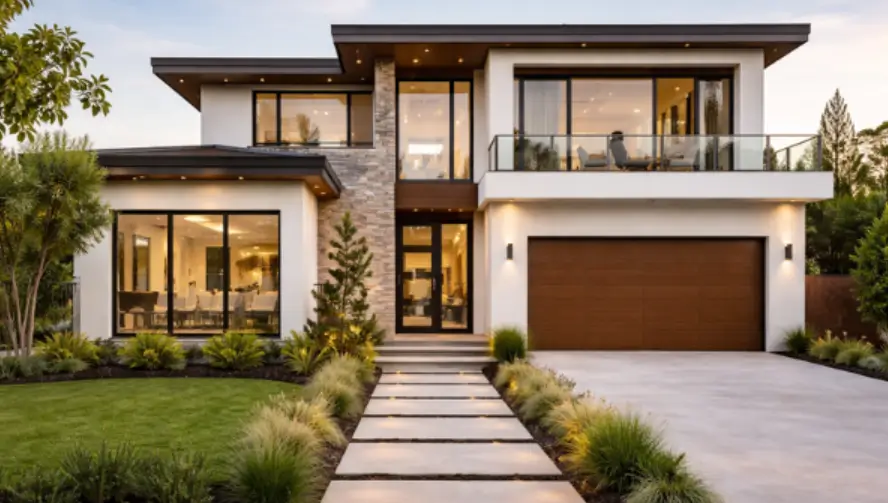
An architect’s palette includes materials, light, and form. They select finishes that not only look beautiful but also feel right to the touch and stand the test of time. They orchestrate the placement and size of windows to flood spaces with natural light and frame beautiful views, treating the landscape as an extension of the interior. The very shape of the building—its massing, rooflines, and proportions—is sculpted to create a powerful visual statement. Knowing how to choose a residential architect often comes down to finding a professional whose aesthetic sensibilities align with your own.
See also: Benefits of Installing an Elevator in Your Home
Unity and Cohesion
A key role of the architect is to ensure that all these visual elements work together harmoniously. They create a consistent design language that carries throughout the home, from the exterior architecture to the smallest interior detail. This creates a sense of wholeness and intention, where every part of the design feels connected to the rest.
Conclusion
The art of residential architecture lies in the elegant fusion of the practical and the poetic. It is a discipline that demands both analytical problem-solving and creative expression. By grounding their designs in a deep understanding of a client’s lifestyle, architects create functional homes that are effortless to live in. They then elevate this functional foundation with a thoughtful application of aesthetic principles, resulting in a space that is not only a shelter but a source of daily inspiration. This harmonious balance is what transforms a house into a true home.